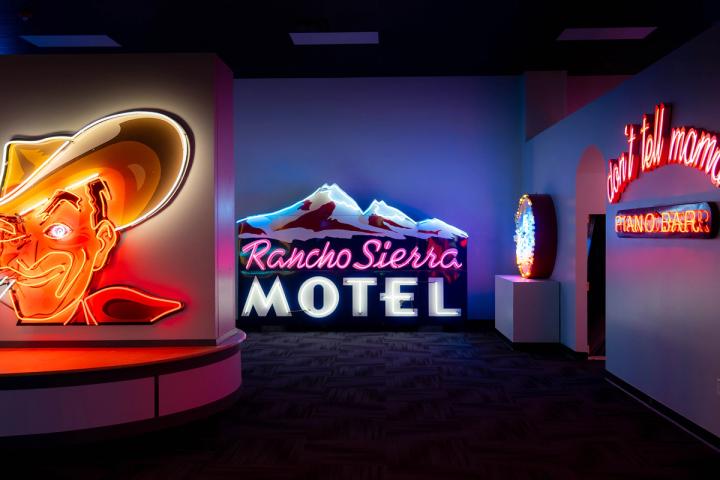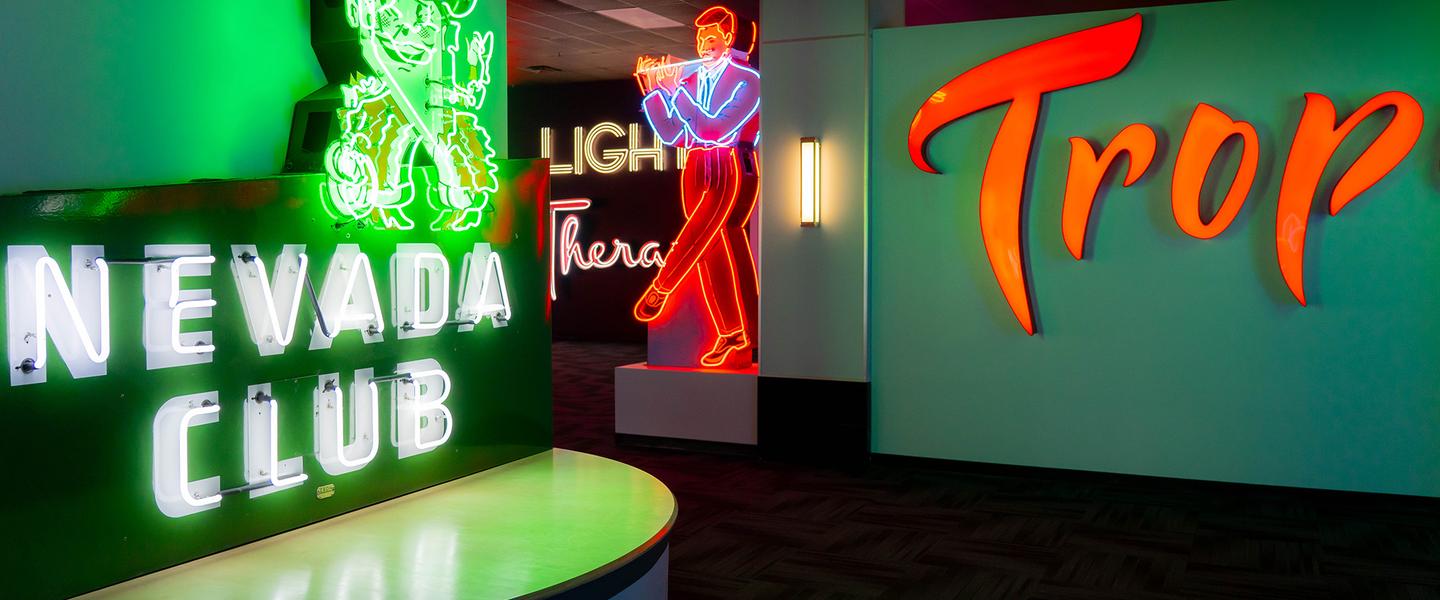
Not many other states can claim an official state element, and it's no surprise that Nevada's is neon. The glow of neon has been synonymous with casinos and The Biggest Little City for nearly 100 years, and now you can visit one of the world's largest collections of vintage neon signs in downtown Reno.
Light Circus - Where Vintage Meets Voltage
What started with a single sign - a diving swimmer sign from Reno’s Zephyr Motel - turned into a passion for saving the iconic neon signs that were disappearing as businesses closed and buildings were demolished. The collection has grown to more than 50 signs and will continue to grow as new signs are preserved and restored.
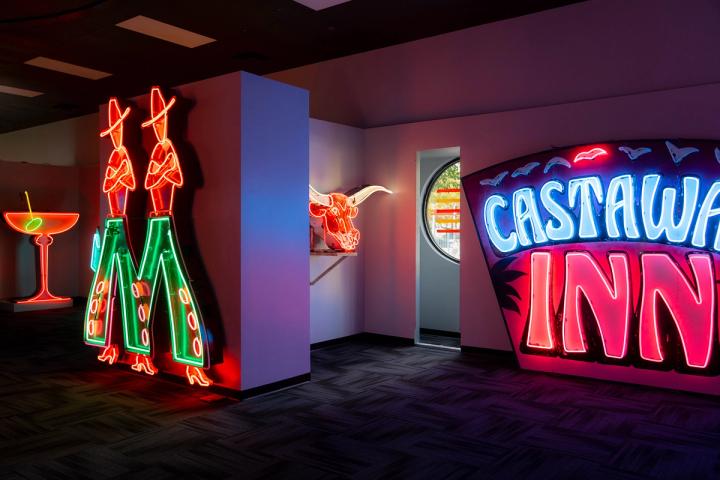
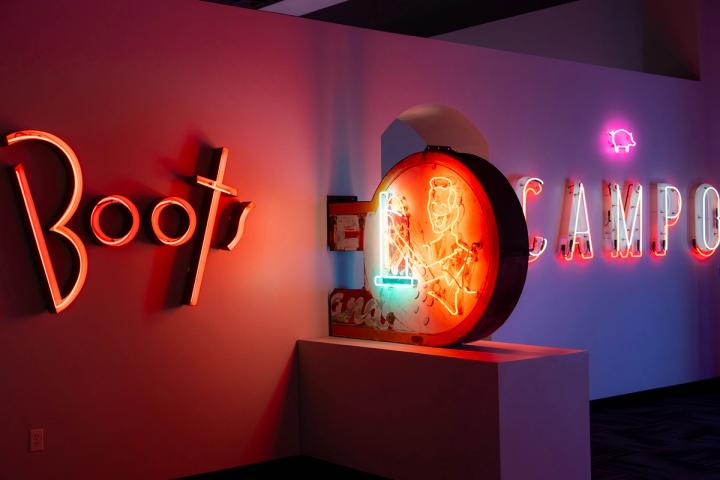
The Light Circus Nevada Neon Museum is almost entirely lit by the neon signs, making it a truly immersive experience and perfect for photo ops. The collection spans eight decades, with signs from across Nevada, including Las Vegas landmarks such as the Tropicana and Spago. You’ll find a mix of vintage signs from Nevada’s past, as well as some from more recent decades.
Tickets and Hours
The Light Circus is located in downtown Reno, on the ground floor of the National Bowling Stadium. The museum is open Tuesday through Sunday, 10 a.m. to 6 p.m. Tickets are available online, with a discount for Nevada residents and membership options.
The History of Neon in Nevada
Neon was invented in Paris in 1910 and quickly made its way to Nevada, where it became an iconic feature of the state’s casinos, motels, and downtowns. Some of the most recognizable pieces, such as the “Welcome to Fabulous Las Vegas” sign, can still be seen in their original glory. However, over the years, many signs have been lost. Thanks to organizations such as Nevada Neon Project and private collectors like Will Durham, the Executive Director of Light Circus, some of the state’s most familiar pieces can still be seen.
The Light Circus will continue to preserve Reno’s past, while also celebrating the craftsmanship, design, and visual identity that shaped the city’s postwar boom era.