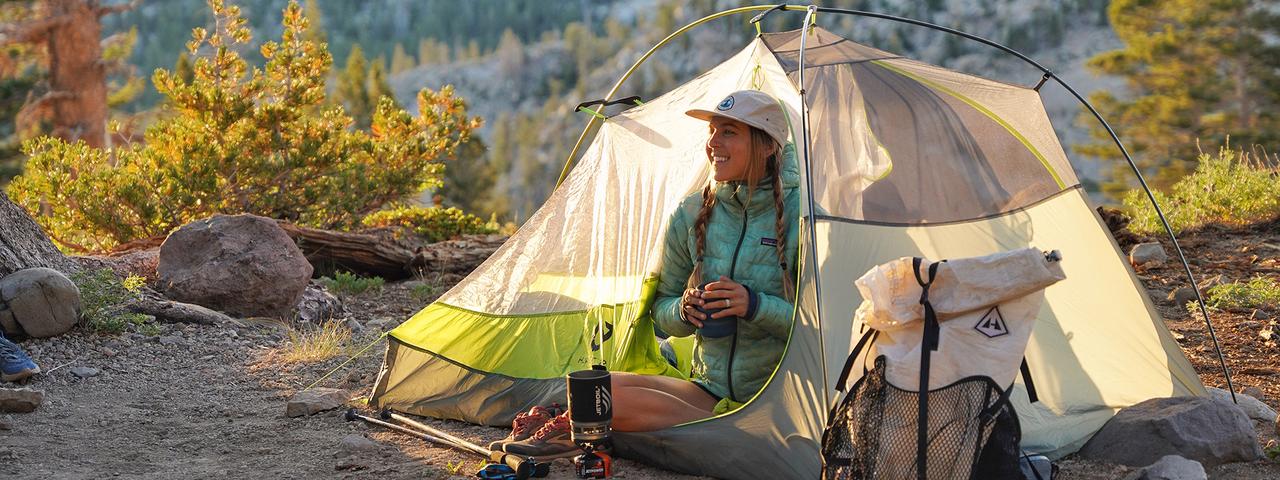
Lake Tahoe Camping
Lake Tahoe, the largest alpine lake in North America, is a must-experience destination for travelers from around the world. Its crystal-clear water and vast blue expanse have inspired countless visitors, including Mark Twain, who remarked that “three months of camp life at Lake Tahoe will restore an Egyptian mummy to its pristine vigor.”
While we won’t necessarily guarantee the accuracy of that statement, we will say that you’d be hard-pressed to find a more magical experience than camping in Lake Tahoe.
Best North Lake Tahoe Camping Spots
Pitch a tent and hunker down at one of the many beautiful north Lake Tahoe camping spots, including Lake Forest Campground, Tahoe State Recreation Area Campground and William Kent Campground. Located just a short walk away from Lake Forest Beach, Lake Forest Campground is a great place to stay if you’re dreaming of sunbathing on the beach by day and stargazing by night. Reservations for this site are first come first served. Tahoe State Recreation Area Campground is located right on the north shore of the lake. This Lake Tahoe campground is next to a bike path that will take you into town for some leisurely shopping. It is recommended to camp here in a tent, although it can accommodate small RVs. Stay at William Kent Campground and let the tall cedar, fir and pine trees engulf you in their natural beauty. William Kent Campground’s amenities include flush toilets, RV sites, grills, fire pits and more. Whether you’re looking for close beach access, a place to sleep at night while you explore by day, an opportunity to immerse yourself in the forest or close access to Lake Tahoe fishing spots, camping in Lake Tahoe will leave you refreshed when you’re ready to go back to your daily routine.
FAQS
Most campsites will need to be reserved ahead of time, but there are lots of first-come, first-served camping spots just a short drive from the lake. Just a heads up, camping in any of the wilderness areas requires a permit and wood fires are not permitted.
If you can’t find a spot, there are plenty of other lodging options within the Reno Tahoe area that offer quick access to the outdoors. See our lodging and Reno camping pages for details.
There are a few free dispersed campgrounds in Lake Tahoe and the surrounding areas. Please note that the established campgrounds mentioned on this page do require a permit and a fee.
The cost of campsites in Lake Tahoe can vary, depending on location, season and demand of each campground. Check with each campground’s website for nightly fees and available reservations.
Lake Tahoe’s peak camping season is typically June through August. This is when the weather is warm during the days and not too cold at night. If you plan to camp during these months, book your campsite well in advance, as campgrounds fill up quickly.
The Lake Tahoe Basin is home to black bears, mountain lions and rattlesnakes (and Tahoe Tessie!). While these animals do dwell in the area, your chances of running into one while in a designated campground are low, as long as you lock up your food in a food locker.
No, you cannot camp just anywhere around Lake Tahoe. Camping is generally restricted to designated campgrounds to protect the environment and ensure safety. There are regulations in place to prevent camping too close to water sources, trails, or roadways. Dispersed camping (camping outside of designated sites) is allowed in some areas of the Tahoe National Forest, but specific rules must be followed, and it's important to check local regulations before setting up camp.
Campfires are allowed in certain areas of Lake Tahoe, but they are subject to strict regulations due to the high risk of wildfires. Campfires are generally only permitted in designated fire rings within established campgrounds. During periods of high fire danger, fire restrictions may be in place, which could ban all campfires, including those in designated rings. Always check current fire restrictions and campground rules before starting a fire.
For the most up-to-date information, it's recommended to check with local authorities or the specific campground where you plan to stay, as regulations can change frequently, especially during wildfire season.